Managing Raynaud's Syndrome

Raynaud’s syndrome is a condition which causes smaller arteries that supply blood to areas such as the skin of the toes to constrict in response to cold weather or stress. The constriction results in a temporary loss of blood flow to the affected areas, which may become cold, numb, or discolored. If you have Raynaud’s syndrome, it can be managed. Since cold temperatures are a known trigger of Raynaud’s, it is recommended that you protect your feet from the cold by wearing warm socks and shoes. Avoid wearing socks and shoes that are too tight, as these can further restrict your circulation. Regular exercise may improve circulation as well. For more information about managing Raynaud’s syndrome when it affects your feet, please consult with a podiatrist. 

Poor circulation is a serious condition and needs immediate medical attention. If you have any concerns with poor circulation in your feet contact Kenneth Donovan, DPM of Advanced Care Foot and Ankle. Our doctor will treat your foot and ankle needs.

Poor Circulation in the Feet

Poor blood circulation in the feet and legs is can be caused by peripheral artery disease (PAD), which is the result of a buildup of plaque in the arteries.

Plaque buildup or atherosclerosis results from excess calcium and cholesterol in the bloodstream. This can restrict the amount of blood which can flow through the arteries. Poor blood circulation in the feet and legs are sometimes caused by inflammation in the blood vessels, known as vasculitis.

Causes

Lack of oxygen and oxygen from poor blood circulation restricts muscle growth and development. It can also cause:

  • Muscle pain, stiffness, or weakness 
  • Numbness or cramping in the legs
  • Skin discoloration
  • Slower nail & hair growth
  • Erectile dysfunction

Those who have diabetes or smoke are at greatest risk for poor circulation, as are those who are over 50. If you have poor circulation in the feet and legs it may be caused by PAD and is important to make changes to your lifestyle in order to reduce risk of getting a heart attack or stroke. Exercise and maintaining a healthy lifestyle will dramatically improve conditions.

As always, see a podiatrist as he or she will assist in finding a regimen that suits you. A podiatrist can also prescribe you any needed medication. 

If you have any questions, please feel free to contact our office located in Charleston, SC . We offer the newest diagnostic and treatment technologies for all your foot care needs.
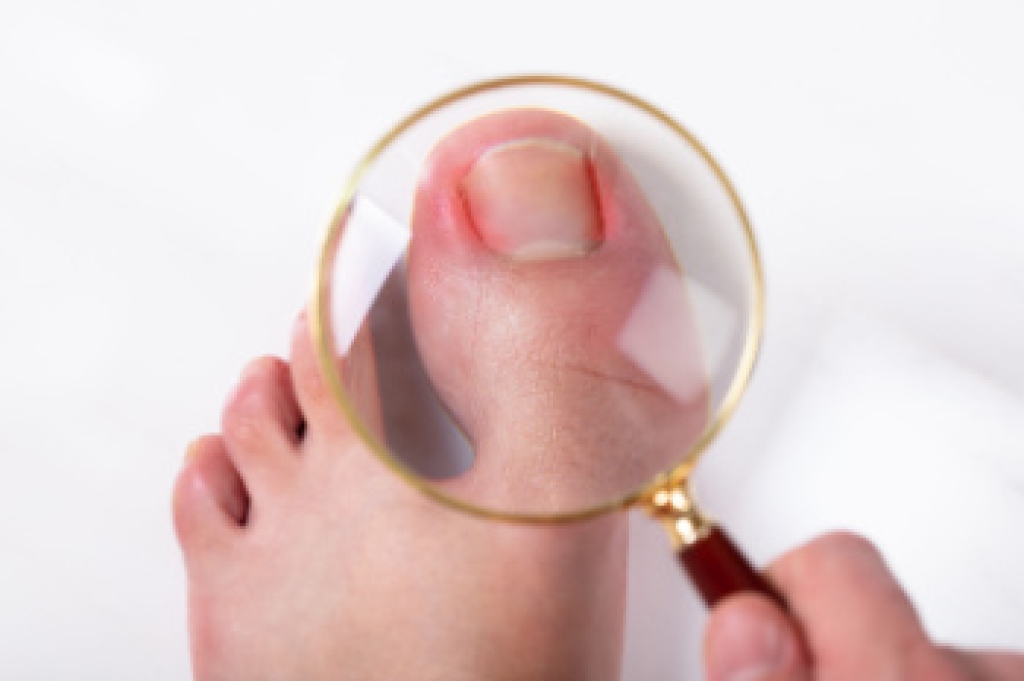

Read more about Causes, Symptoms, and Treatment of Poor Blood Circulation in the Feet

Causes of Swollen Feet in Older Adults

Swollen feet are common in older adults and can be linked to several underlying conditions. Heart failure may cause fluid buildup in the lower extremities, while kidney or liver disease can affect how the body manages fluids. Venous insufficiency occurs when veins have difficulty returning blood to the heart, leading to pooling in the feet and ankles. Additionally, certain medications may also contribute to swelling as a side effect. Risk factors include reduced mobility, chronic health conditions, and poor circulation. Symptoms often include puffiness, tight skin, and discomfort when walking. A podiatrist can evaluate swelling, identify contributing factors, and recommend treatments to improve circulation and comfort. If you are elderly and have any of the above risk factors, it is suggested that you consult a podiatrist who can offer effective relief and management solutions.

Swollen feet can be a sign of an underlying condition. If you have any concerns, contact Kenneth Donovan, DPM of Advanced Care Foot and Ankle. Our doctor can provide the care you need to keep you pain-free and on your feet.

Swollen feet are a common ailment among pregnant women and people who stand or sit for extended periods. Aging may increase the possibility of swollen feet and patients who are obese often notice when their feet are swelling too. There may be medical reasons why swollen feet occur:

  • Phlebitis - A condition that causes the veins to become inflamed and can also cause leg pain.
  • Liver disease - This may lead to low blood levels of albumin which is a protein. This can cause fluid in the blood to pass into the tissues and several areas of the body can become swollen.
  • Heart failure - When the heart doesn’t pump properly the blood that is normally pumped back to the heart can pool in the veins of the legs causing swollen feet.
  • Kidney disease - One of the main functions of the kidneys is releasing excess fluid in the body. This type of condition can make it difficult for the kidneys to function properly, and as a result the feet may become swollen.
  • Deep-vein thrombosis (DVT)- This is a serious condition where blood clots form in the veins of the legs. They can block the return of blood from the legs to the heart which may cause the feet to swell. It is important to be treated by a podiatrist if this condition is present.

Swollen feet can also be caused by bone and tendon conditions, including fractures, arthritis, and tendinitis. Additionally, there may be skin and toenail conditions and an infection may cause the feet to swell. Patients who take medicine to treat high blood pressure may be prone to getting swollen feet. 

Many patients elevate their feet to help relieve the swelling and this is generally a temporary remedy. When a podiatrist is consulted the reason behind the swelling can be uncovered and subsequently treated.

If you have any questions please contact our office located in Charleston, SC . We offer the newest diagnostic and treatment technologies for all your foot and ankle needs.

Read more about Swelling of the Feet

Are You Suffering From Nerve Damage?

Neuropathy is a condition that can lead to numbness or loss of sensation in the feet, but it can also cause pain. This condition is more likely to develop for those who are diabetic, obese, or with high blood pressure.

What Causes an Ingrown Toenail?

An ingrown toenail develops when the nail edge presses into the nearby skin instead of growing straight out. It often begins with mild tenderness and redness along the side of the nail, then can progress to swelling, warmth, and pain while walking or wearing shoes. Causes include trimming nails too short, rounding the edges, wearing tight shoes, or sustaining a toe injury. Some people are more prone to this condition due to curved nails, thick nails, or genetic factors. Risk also increases in people with diabetes or poor circulation. A podiatrist can treat the problem by carefully removing the ingrown section, easing pressure, and preventing infection. They can also correct recurring issues with minor procedures that guide healthier nail growth. If you have symptoms of an ingrown toenail, it is suggested that you seek care from a podiatrist.

Ingrown toenails may initially present themselves as a minor discomfort, but they may progress into an infection in the skin without proper treatment. For more information about ingrown toenails, contact Kenneth Donovan, DPM of Advanced Care Foot and Ankle. Our doctor can provide the care you need to keep you pain-free and on your feet.

Ingrown Toenails

Ingrown toenails are caused when the corner or side of a toenail grows into the soft flesh surrounding it. They often result in redness, swelling, pain, and in some cases, infection. This condition typically affects the big toe and may recur if it is not treated properly.

Causes

  • Improper toenail trimming
  • Genetics
  • Improper shoe fitting
  • Injury from pedicures or nail picking
  • Abnormal gait
  • Poor hygiene

You are more likely to develop an ingrown toenail if you are obese, have diabetes, arthritis, or have any fungal infection in your nails. Additionally, people who have foot or toe deformities are at a higher risk of developing an ingrown toenail.

Symptoms

Some symptoms of ingrown toenails are redness, swelling, and pain. In rare cases, there may be a yellowish drainage coming from the nail.

Treatment

Ignoring an ingrown toenail can have serious complications. Infections of the nail border can progress to a deeper soft-tissue infection, which can then turn into a bone infection. You should always speak with your podiatrist if you suspect you have an ingrown toenail, especially if you have diabetes or poor circulation.

If you have any questions, please feel free to contact our office located in Charleston, SC . We offer the newest diagnostic and treatment technologies for all your foot care needs.

Read more about Ingrown Toenails

Causes and Symptoms of Heel Pain

Heel pain is often caused by plantar fasciitis, which is irritation of the thick band of tissue along the bottom of the foot. Another frequent cause of heel pain is Achilles tendonitis, inflammation of the tendon at the back of the heel. Stress fractures from repeated impact, and arthritis, which involves joint wear and stiffness, may also be factors. Nerve irritation, poor circulation, and long periods of standing sometimes play a role. Symptoms include sharp pain with the first steps in the morning and soreness after activity. Swelling or tenderness when pressure is applied to the heel may also occur. Some people notice a dull ache that worsens over time. A podiatrist can evaluate the foot and review symptoms. Imaging may be used to determine the cause. Treatment plans include orthotics, bracing, and guidance to reduce strain and improve foot function. If you have heel pain, it is suggested that you schedule an appointment with a podiatrist for a diagnosis and appropriate treatment plan.

Many people suffer from bouts of heel pain. For more information, contact Kenneth Donovan, DPM of Advanced Care Foot and Ankle. Our doctor can provide the care you need to keep you pain-free and on your feet.

Causes of Heel Pain

Heel pain is often associated with plantar fasciitis. The plantar fascia is a band of tissues that extends along the bottom of the foot. A rip or tear in this ligament can cause inflammation of the tissue.

Achilles tendonitis is another cause of heel pain. Inflammation of the Achilles tendon will cause pain from fractures and muscle tearing. Lack of flexibility is also another symptom.

Heel spurs are another cause of pain. When the tissues of the plantar fascia undergo a great deal of stress, it can lead to ligament separation from the heel bone, causing heel spurs.

Why Might Heel Pain Occur?

  • Wearing ill-fitting shoes                
  • Wearing non-supportive shoes
  • Weight change           
  • Excessive running

Treatments

Heel pain should be treated as soon as possible for immediate results. Keeping your feet in a stress-free environment will help. If you suffer from Achilles tendonitis or plantar fasciitis, applying ice will reduce the swelling. Stretching before an exercise like running will help the muscles. Using all these tips will help make heel pain a condition of the past.

If you have any questions, please feel free to contact our office located in Charleston, SC . We offer the newest diagnostic and treatment technologies for all your foot care needs.
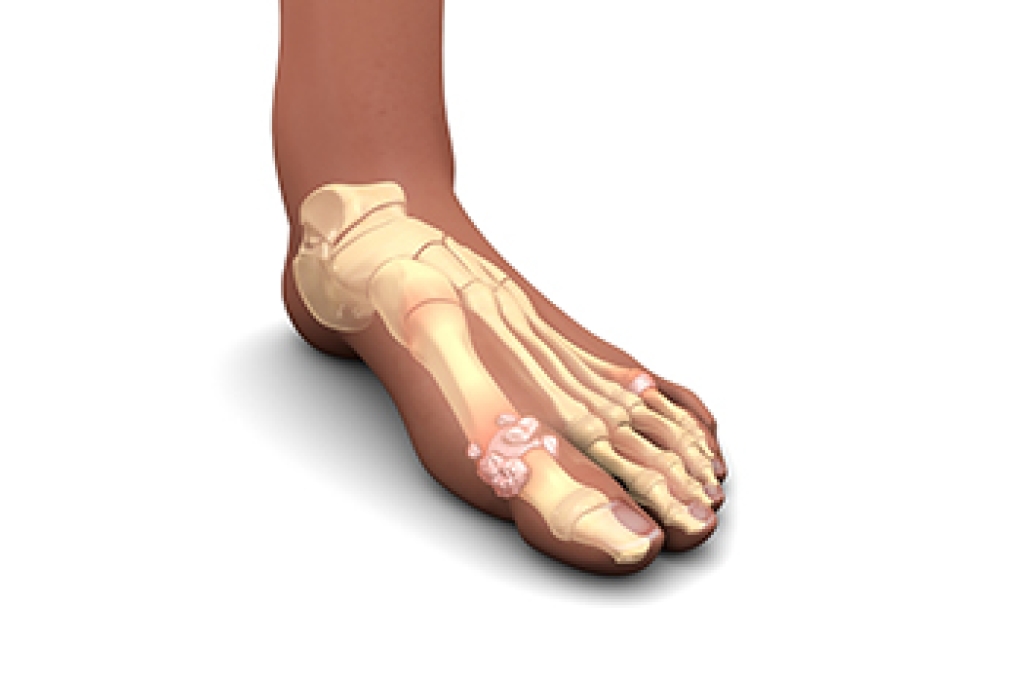
Read more about Heel Pain

Connect With Us